Physical Address
304 North Cardinal St.
Dorchester Center, MA 02124
Physical Address
304 North Cardinal St.
Dorchester Center, MA 02124
We scream, we jump, we panic… and then we hit Restart. But why do we keep playing horror games when they make our hearts race like crazy? From Resident Evil to Outlast to Phasmophobia, players worldwide willingly choose fear. Let’s dig into the psychology behind it.
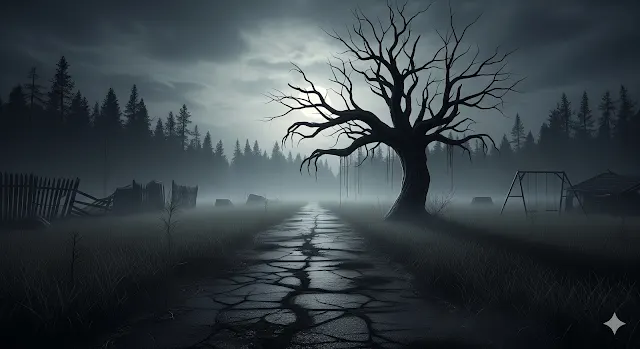
When you play a horror game, you’re safe in your room—but your brain doesn’t fully realize it. That rush of adrenaline, rapid heartbeat, and sweaty palms come from your body reacting as if danger is real. It’s the same reason people love rollercoasters.
Humans are naturally curious about the dark and mysterious. Horror games feed that curiosity with creepy environments, hidden notes, and terrifying creatures that push you to keep exploring—even when you want to look away.
Games like Dead by Daylight or Silent Hill challenge not just your reflexes but your bravery. Every dark corridor becomes a test of whether you’re ready to face what’s inside. Conquering those fears gives a huge sense of achievement.
Playing horror games with friends turns screams into laughter. That’s why co-op horror games (Phasmophobia, Devour) are so popular—fear is easier to handle (and more fun) when everyone’s screaming together.
Ironically, horror games provide comfort. They pull us away from real-life stress into a world where our only problem is surviving the monster. And weirdly, that feels refreshing.
👉 In the end, horror games are addictive because they balance fear with fun. They give us the thrill of danger while keeping us safe, making every scream strangely satisfying.